
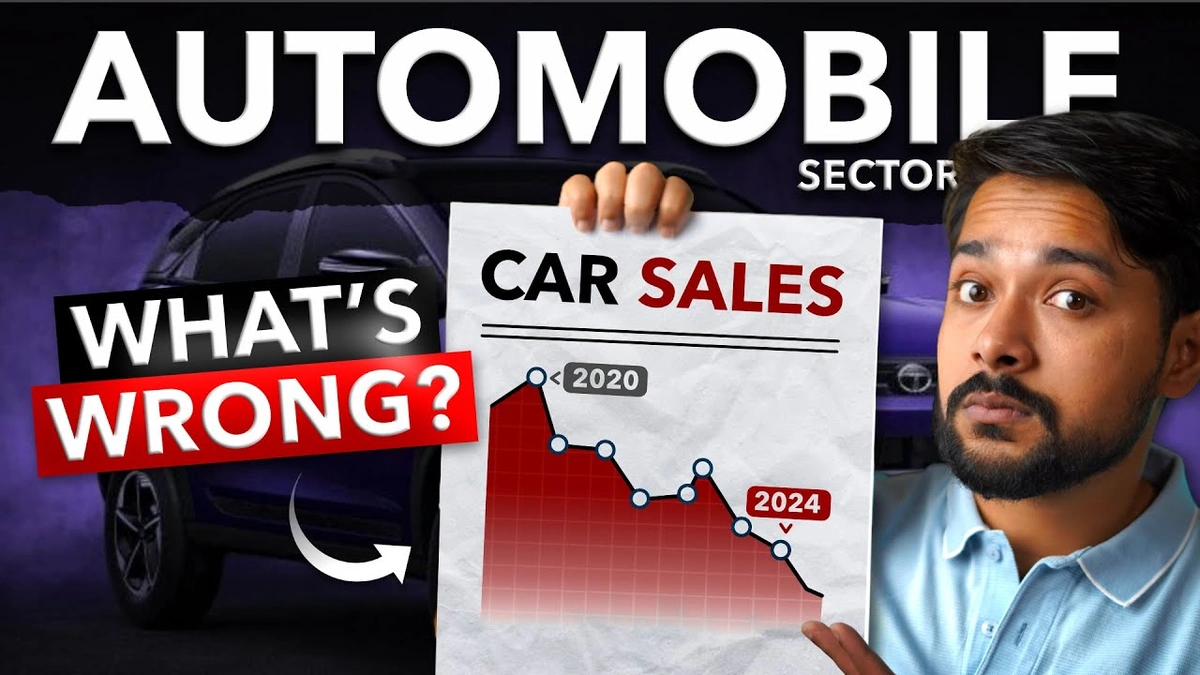
October’s automobile sales data is in, and it paints a somewhat mixed picture. Two-wheeler despatches are up a modest 2%, while passenger vehicle (PV) sales are getting a major boost, thanks to the ever-popular SUVs. But here’s the thing: simply stating these numbers doesn’t tell the whole story. What’s really going on? Why are SUVs still dominating? And what does this all mean for the average Indian consumer and the overall economy?
Let’s dive deep into the ‘why’ behind these trends. Forget the surface-level reporting; we’re here to dissect the underlying currents that are shaping the Indian auto market. This isn’t just about cars; it’s about aspirations, economic realities, and the changing face of India.
The SUV Surge | More Than Just a Trend
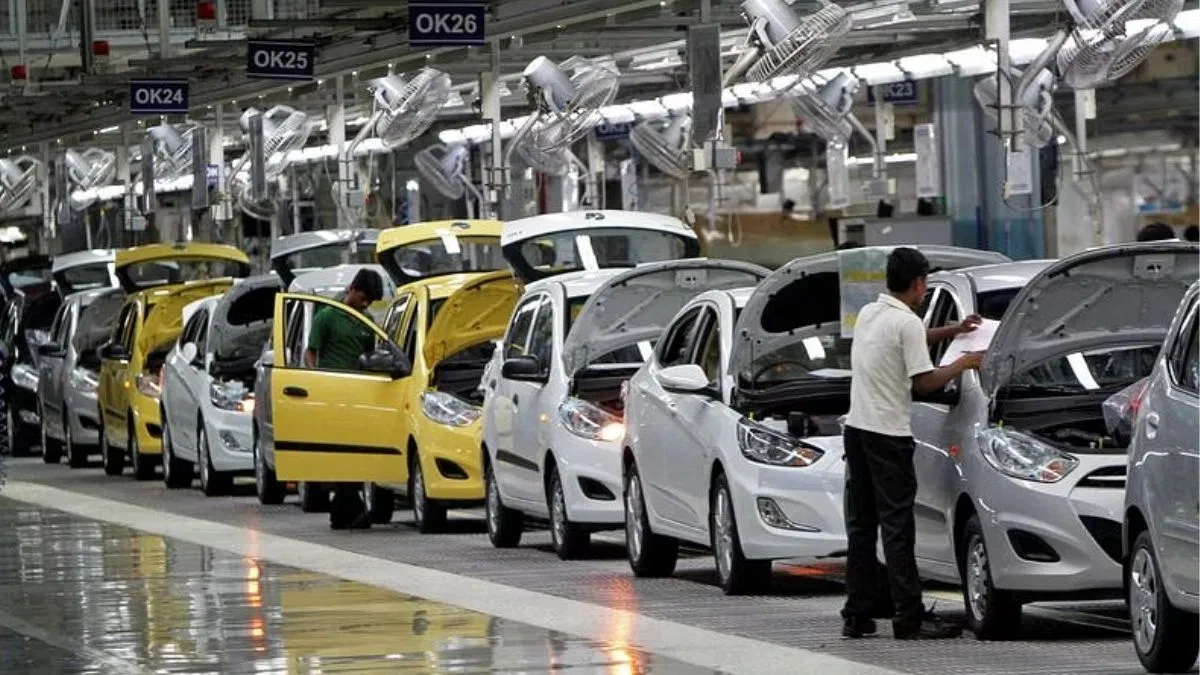
SUVs continue to be the driving force behind the growth in passenger vehicle sales . But why? It’s not just about the perceived status symbol, though that certainly plays a role. Several factors are converging to fuel this demand.
Firstly, road conditions in many parts of India, especially outside major cities, remain challenging. SUVs, with their higher ground clearance and robust build, offer a more comfortable and practical driving experience. I mean, let’s be honest, navigating potholes in a hatchback can be a nightmare.
Secondly, the rising disposable incomes of the Indian middle class are allowing more families to upgrade to larger, more feature-rich vehicles. SUVs often come packed with advanced safety features, spacious interiors, and powerful engines – all attractive propositions for the modern Indian family. Plus, the increasing availability of compact SUVs at competitive price points has further broadened their appeal.
And, manufacturers are responding to this demand. They’re launching a slew of new SUV models across different price segments, offering consumers a wider range of choices than ever before. This creates a positive feedback loop: more choices lead to higher demand, which in turn encourages manufacturers to launch even more models.
Two-Wheeler Sales | A Tale of Two Indias
The 2% increase in two-wheeler despatches is a far cry from the double-digit growth rates we’ve seen in the past. This modest growth reflects the ongoing challenges in the rural economy, where two-wheelers are a primary mode of transport. Fluctuations in agricultural income, coupled with rising fuel prices, are impacting the purchasing power of rural consumers.
But, it’s not all doom and gloom. The premium segment of the two-wheeler market is witnessing healthy growth, driven by urban consumers seeking stylish and performance-oriented bikes. This suggests a growing polarization in the two-wheeler market: a struggle in the entry-level segment and a boom in the premium segment.
What fascinates me is how different segments of the automobile market tell completely different stories about the Indian economy. The strong SUV sales reflect the aspirations and purchasing power of the urban middle class, while the sluggish two-wheeler sales highlight the challenges faced by rural India.
The Electric Vehicle Equation | A Glimmer of Hope?
While the October data doesn’t explicitly break down electric vehicle (EV) sales, it’s important to acknowledge their growing presence in the Indian auto market. The government’s push for electric mobility , coupled with falling battery prices and increasing charging infrastructure, is gradually driving EV adoption.
The EV segment still represents a small fraction of overall sales, but its growth trajectory is undeniable. Several manufacturers are launching new electric scooters, cars, and even buses, offering consumers a cleaner and more sustainable alternative to traditional vehicles. The availability of subsidies and incentives is further accelerating EV adoption, but, let’s be real – range anxiety and charging infrastructure limitations remain significant hurdles.
According to data available on Vahan Dashboard , EV sales are showing good numbers.
Looking Ahead | Navigating the Uncertainties
The Indian auto market is currently navigating a complex landscape of economic uncertainties, changing consumer preferences, and technological disruptions. Factors such as rising inflation, supply chain disruptions, and geopolitical tensions could further impact sales in the coming months. We’ve all seen the impact of global events on the Indian automotive industry in recent years, and it’s crucial to stay informed and adapt to the changing circumstances.
But, despite these challenges, the long-term outlook for the Indian auto market remains positive. The country’s growing population, rising disposable incomes, and increasing urbanization will continue to drive demand for vehicles. The key for manufacturers will be to adapt to changing consumer preferences, invest in new technologies, and offer products that meet the diverse needs of the Indian market. This also includes manufacturing cars in India with the Make In India program.
And speaking of navigating uncertainties, remember the importance of reliable auto insurance? A common mistake I see people make is neglecting to compare insurance quotes before renewing their policy. Don’t leave it until the last minute! Consider checking out resources like Volkswagen Taigun Facelift Spy Shots for the latest models.
Consider too, Hero Splendor Plus Electric Launches and how electric vehicle sales are growing and becoming more common.
A Final Thought | The Road Ahead
The October auto sales data offers a snapshot of the Indian auto market in transition. While the SUV boom continues unabated, the two-wheeler segment faces headwinds in rural India. The rise of EVs offers a glimmer of hope for a cleaner future, but significant challenges remain. The future of mobility in India will be shaped by how manufacturers, policymakers, and consumers navigate these uncertainties and embrace new opportunities.
Let me rephrase that for clarity: the Indian auto market is more than just numbers; it’s a reflection of our aspirations, our challenges, and our collective journey towards a better future. It’s about understanding what automobile sales really means for the growth of the Indian economy.
FAQ Section
Will car prices increase in the coming months?
Several factors, including rising input costs and supply chain disruptions, could lead to a potential increase in car prices. Keep an eye on market trends and manufacturer announcements.
What is the best time to buy a new car to get the best deals?
Typically, the end of the year (November-December) and the festive season (around Diwali) offer the best deals and discounts on new cars.
Are electric vehicles really more expensive than petrol/diesel cars in the long run?
While the initial purchase price of EVs may be higher, the lower running costs (due to cheaper electricity and reduced maintenance) can often offset the higher upfront cost over the long term.
How can I check the safety rating of a car before buying it?
You can check the Global NCAP (New Car Assessment Programme) ratings for various cars sold in India on their official website. These ratings provide valuable insights into the safety performance of vehicles.
Are there any government schemes to promote electric vehicle adoption in India?
Yes, the Indian government offers several schemes and incentives, such as the FAME (Faster Adoption and Manufacturing of Electric Vehicles) scheme, to promote electric vehicle adoption. These schemes offer subsidies and tax benefits to EV buyers.
What are the key factors to consider when choosing between a petrol, diesel, or electric car?
Consider your daily driving distance, budget, availability of charging infrastructure (for EVs), environmental concerns, and personal preferences when making your decision.